AI 精选动态
智能评分 85
系统更新
核心解读
Google 系统利用加速器传红波预警,详细说明工作原理
全文
Google's beautiful smart Android earthquake alerts system in action, where phones receive push notifications seconds before strong shaking.
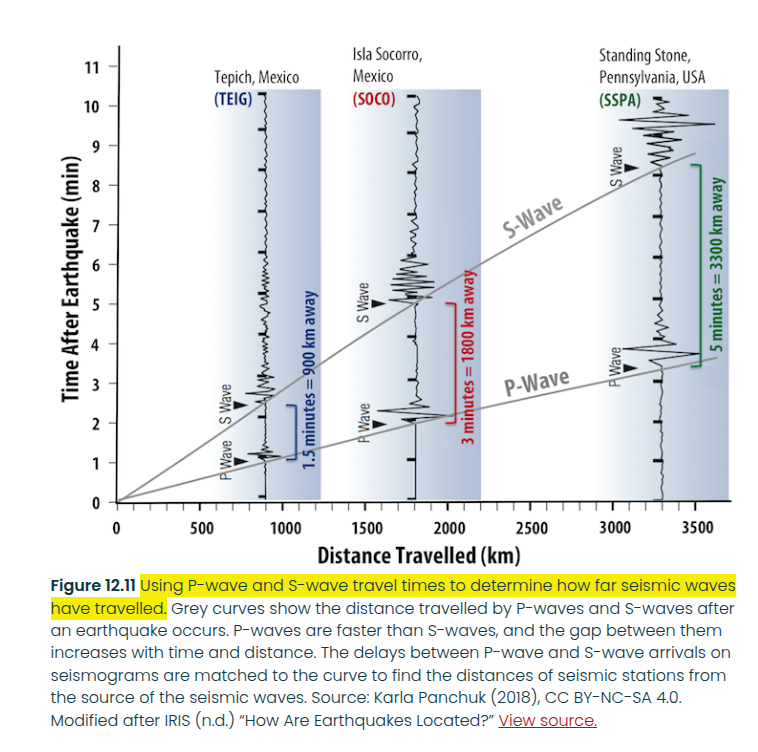
Smartphones use built-in MEMS accelerometers (the same ones that rotate the screen) to detect the fast, weak P-waves of an earthquake when stationary. Nearby phones anonymously send signals with coarse location to Google’s servers.
Algorithms aggregate data from thousands of phones to confirm the quake and estimate its location and magnitude. Alerts then race ahead via the internet at near-light speed, beating the slower, damaging S-waves and giving seconds of warning. This crowdsourced system expands UC Berkeley’s MyShake research.
An earthquake sends out two main waves:
- P-waves (fast, ~6 km/s) — arrive first, weak shaking. Phones near the epicenter detect these with their accelerometers and instantly send a signal to Google’s servers.
- S-waves (slower, ~3.5 km/s) — arrive later and cause the strong, damaging shaking.
The phone signal + Google’s alert travels at internet speed (nearly light speed, ~300,000 km/s) — vastly faster than the earthquake waves.
So:
1. Phones near the quake feel P-waves → alert sent immediately.
2. The alert reaches your phone (farther away) via fast internet.
3. The dangerous S-waves are still traveling through the ground and haven’t reached you yet.
Result: You get the push notification a few seconds before the strong shaking arrives at your location.
> **引用原帖 Enrique (@enriqdev):**
> Google fue muy listo; usan los acelerómetros de miles de teléfonos Android cómo una red global de sismos, toda esa data se envía y Google logró una forma de detectar esas ondas a tiempo y enviar las alertas. https://t.co/U7VFGxTCQ5
> https://x.com/enriqdev/status/2069915288921915397